African Opportunities: Northern vs. Southern Swells
[p]Africa stands out as a surfing haven that straddles the equator. The continent's positioning means that its surf seasons are distinctly divided between the northern and southern hemispheres, each offering rich cultural and surfing experiences. Northern Africa shines particularly from September to early March, when swells from the Atlantic favor Morocco. This region benefits from long-period swells that have traveled across hemispheres to deliver powerful waves ideal for both experienced surfers and casual beachgoers.[/p] [p]Conversely, southern Africa's surf scene comes alive during the northern hemisphere summer, which corresponds to the southern hemisphere winter. Renowned surf spots like Jeffrey's Bay capitalize on swells that originate from the Southern Pacific Ocean, making it a prime destination for serious surfers from June through to August. The allure of Namibia’s Skeleton Bay is specific to the right-angle swells it receives, producing some of the longest rides available globally.[/p]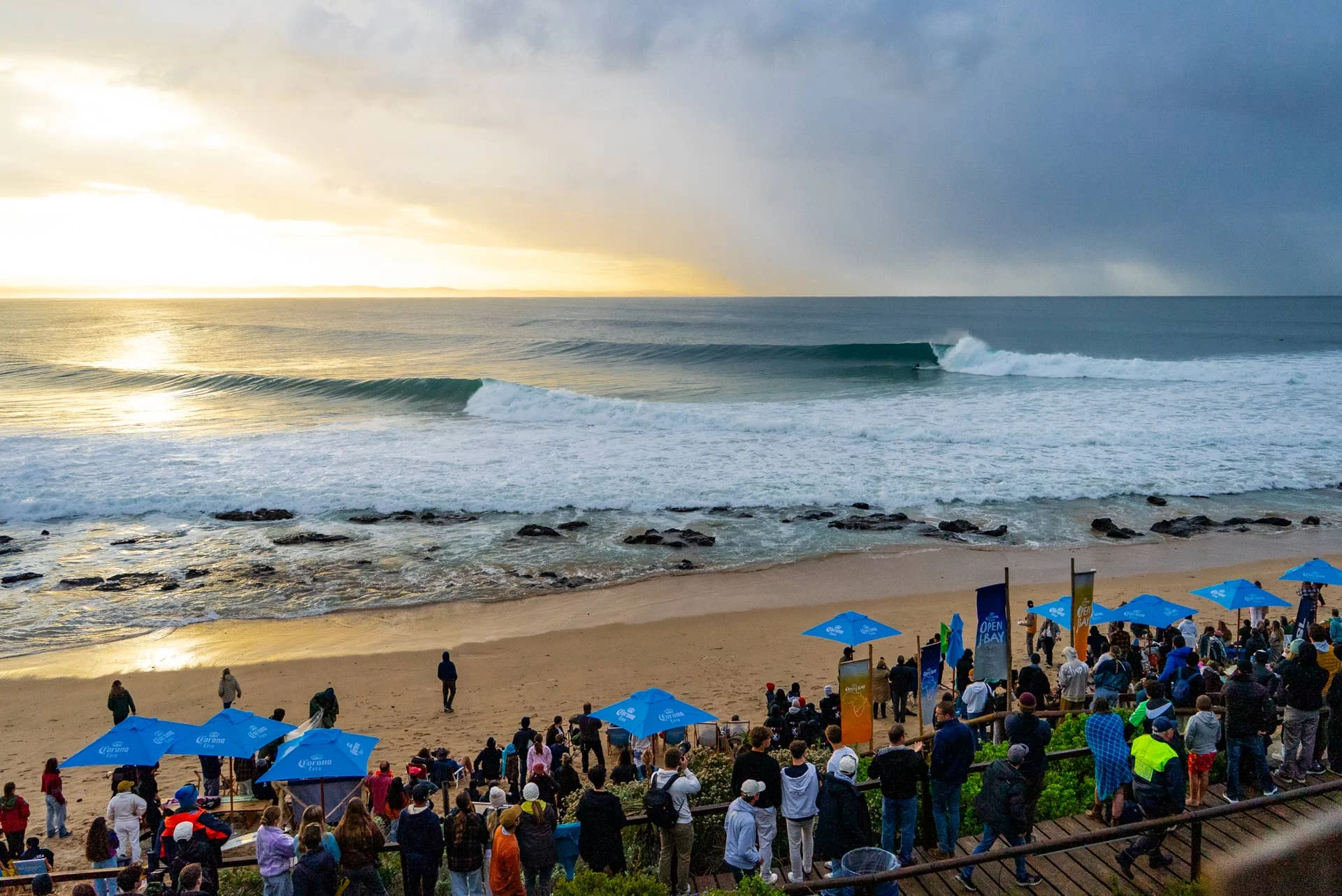
Antarctica: The Untamed Frontier
[p]While surfing in Antarctica might seem audacious, it’s becoming a niche interest among adventure surfers. The continent presents not just waves but unpredictability. With surf conditions that can hang precariously on recent weather patterns, explorers considering a surf trip must weigh their options carefully. The southern swell season, from late March through early September, is when conditions are most favorable, although the chance of adverse weather remains high.[/p] [p]For those brave enough to attempt an expedition, specialized surf groups provide support, emphasizing preparation as critical for a successful trip. Successful outings are often characterized by picking windows where conditions align, rather than blanket expectations for consistent surfability.[/p]Asia: A Diverse Surfing Tapestry
[p]Asia offers a complex surf dynamic, with a mixture of northern and southern swell seasons due to its geographical layout. The swell window for the majority of Asia—covering iconic locations such as Japan and the Maldives—fall between September and March. This time is particularly crucial for surfers looking to catch substantial waves fueled by the Indian Ocean monsoons.[/p] [p]Sri Lanka exemplifies this duality: its southwest coast is optimal from September to March, while the east coast finds its peak season between June and August. The interdependence of monsoon patterns significantly influences swell consistency across the island.[/p] [p]Meanwhile, Indonesia, particularly Bali, thrives during the dry season from April to October. Iconic spots like Uluwatu are best during this period, but the allure of Indonesia remains strong, with historical swells reminding us that exceptional surf can happen outside the standard seasonal cycles.[/p]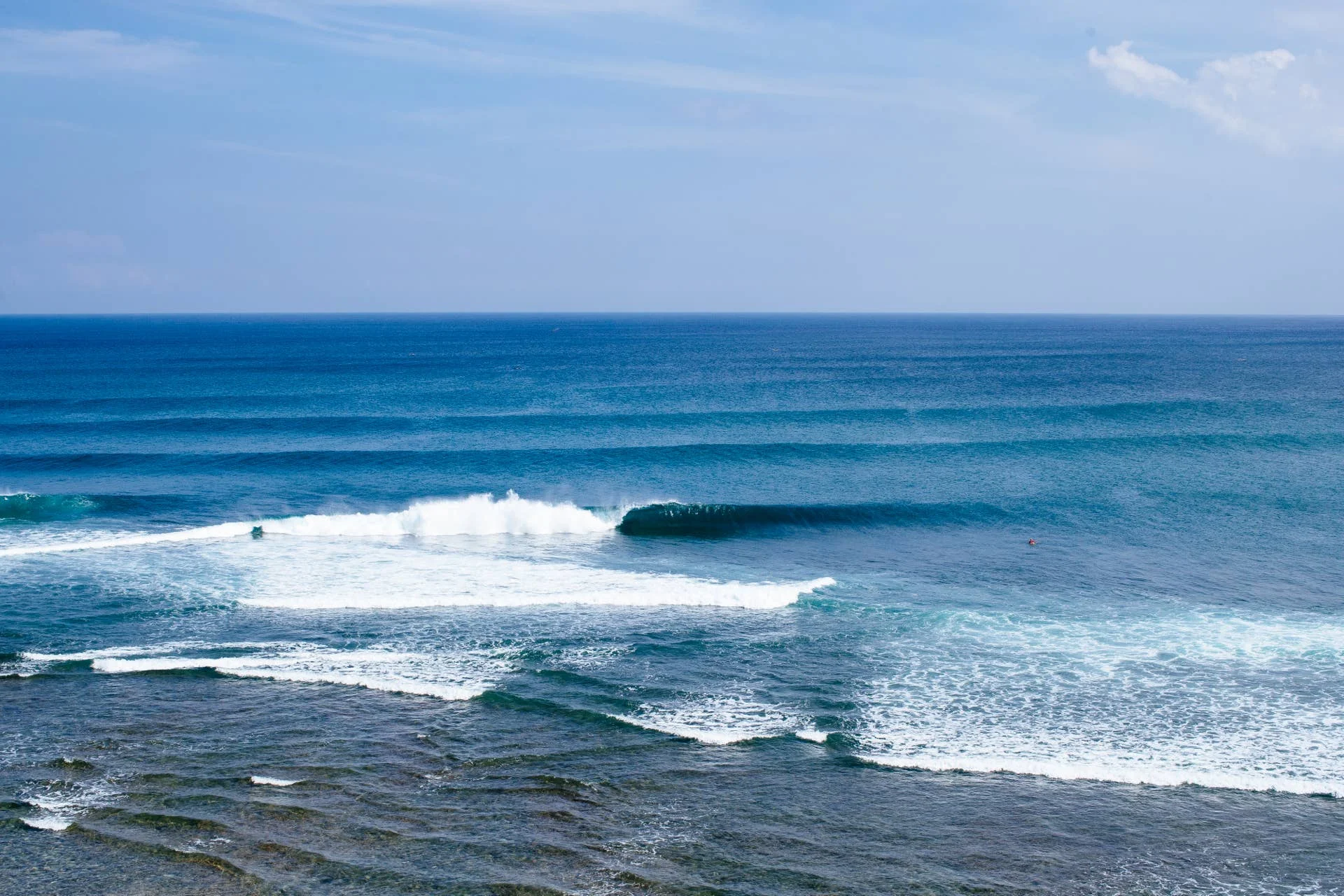
Australasia: Nature’s Performance Stage
[p]Australasia’s geographical bounty creates unrivaled surf conditions. Australia thrives during its cyclone season from November to April, leading to superb swells. Throughout these months, spots like Margaret River and various locations along the Gold Coast come alive, offering waves that draw both skilled and amateur surfers alike.[/p] [p]New Zealand complements this dynamic with its own favorable conditions, particularly on the west coast from March to August, while the east coast needs to rely on cyclone-driven swells to offer surfable conditions. This regional variety emphasizes the richness of Australasia as a complete surf destination.[/p]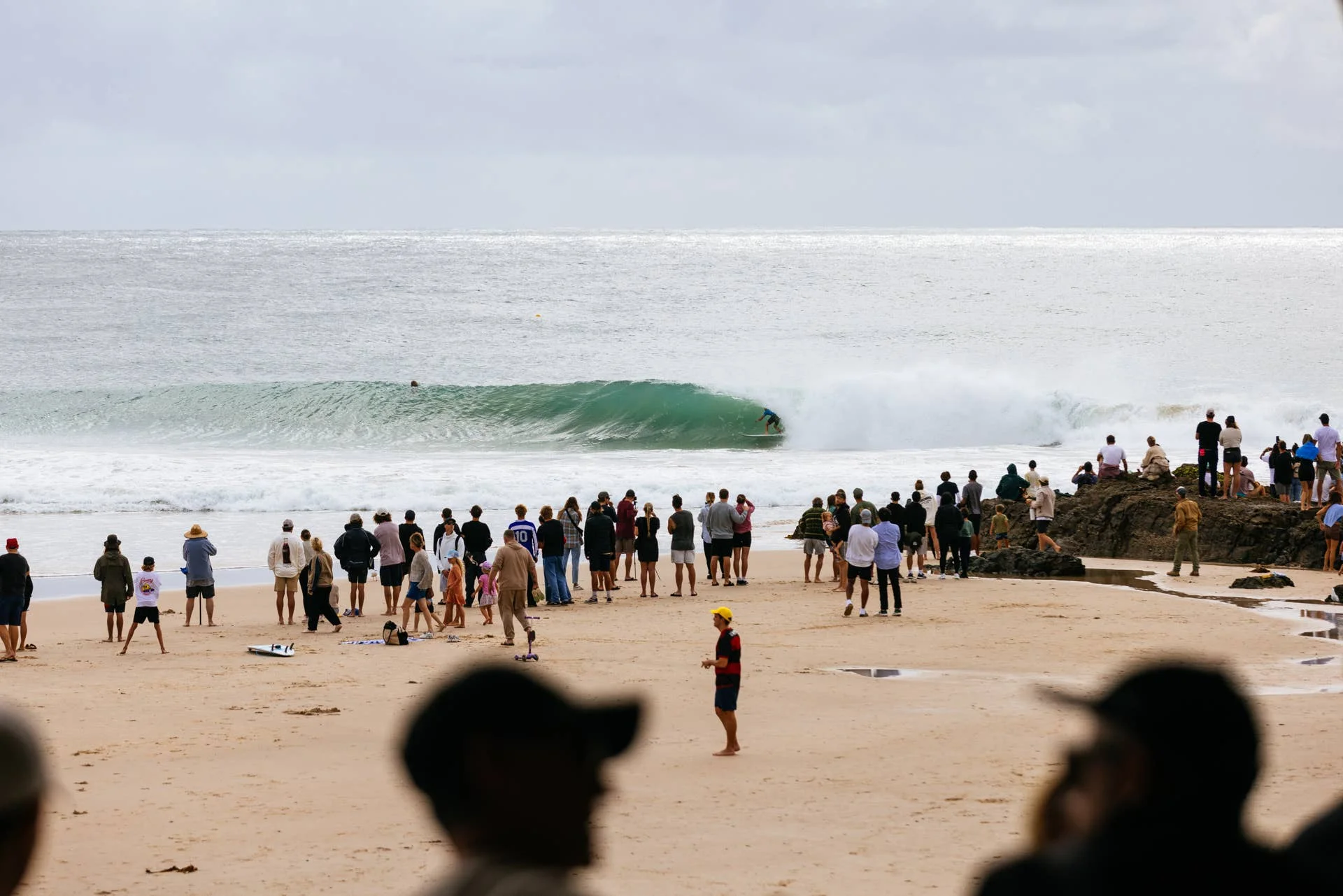
Europe: Historical Waves
[p]Europe’s surfing potential varies dramatically from coast to coast. The major surf season spans from September to April, but each country brings its unique character to the lineup. For instance, Ireland and the UK often experience their biggest swells deep in winter, particularly between November and January.[/p] [p]The relationship of swells to geography plays a significant role in surfing depth. The beach breaks prevalent in the UK can lead to close-out conditions, while the distinct point breaks found in France and Portugal offer unique challenges and opportunities for surfers. Notably, Portugal's Nazaré is famed for its colossal waves that attract elite big wave surfers from around the globe.[/p]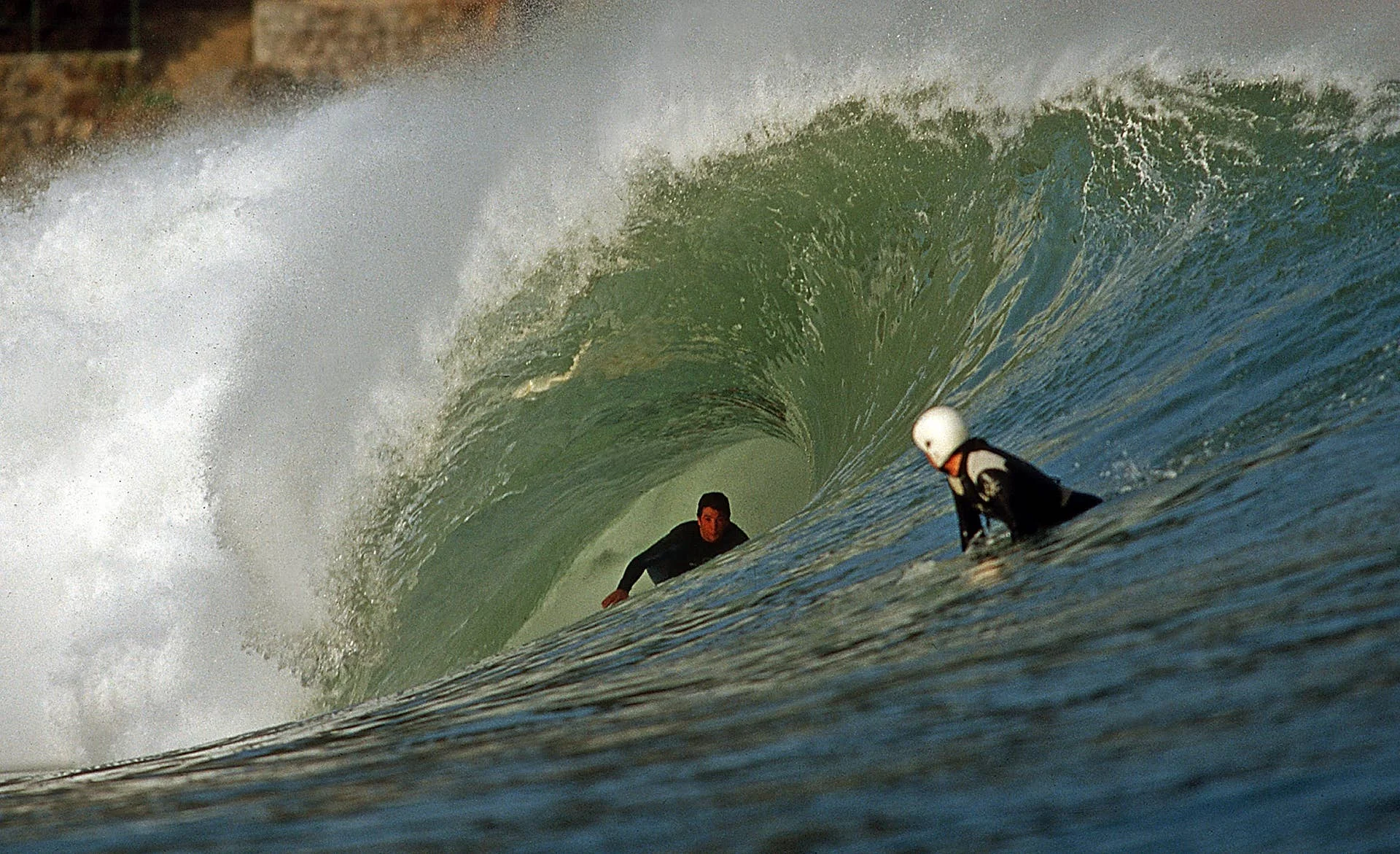
North America: A Surfing Cornucopia
[p]North America presents a complicated surfing picture, largely shaped by its geographic diversity and expansive coastline. The West Coast generally sees its best waves from November to March, but the area is similarly blessed with south swells during summer months. Big wave spots like Mavericks experience their peak in mid-winter, while the East Coast thrives during the fall months with swell generated from hurricane activity.[/p] [p]Mexico provides another layer, benefitting from the Pacific's summer swells. The communal spirit of surfing unites these regions, inviting a diverse pool of surfers from the nearby Americas to share in the thrill of catching waves.[/p]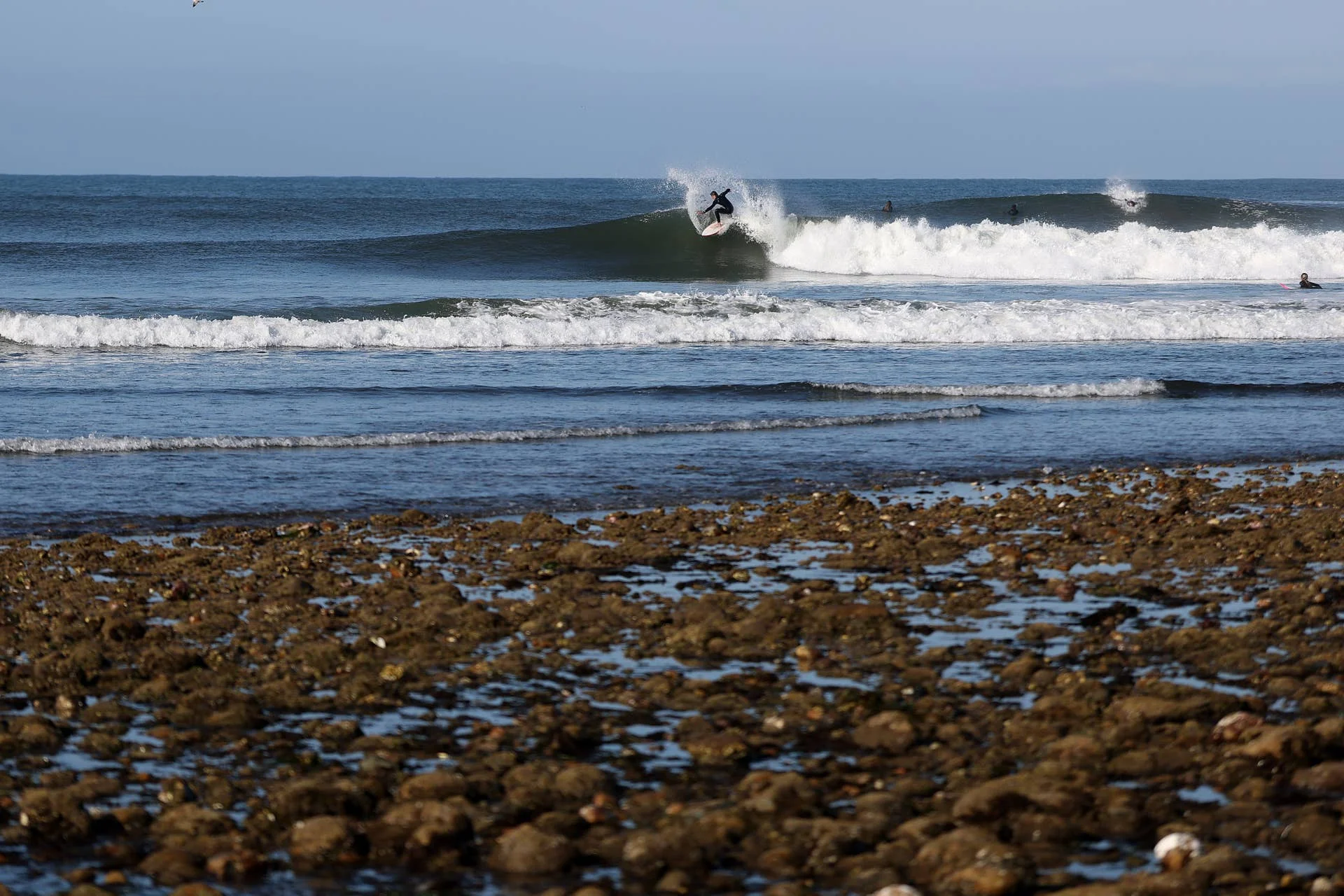
South America: The Longest Wave
[p]Finally, South America, a treasure trove of surf spots such as Peru’s Chicama, which claims a spot among the longest waves globally. The surf season leans heavily towards the Pacific coast from May to August, while Brazil offers a peak season from April through to October with its southern regions. Diverse conditions across the continent range from the swells in Chile to the warm waters of Brazil, creating an all-encompassing surfing experience for those willing to explore.[/p]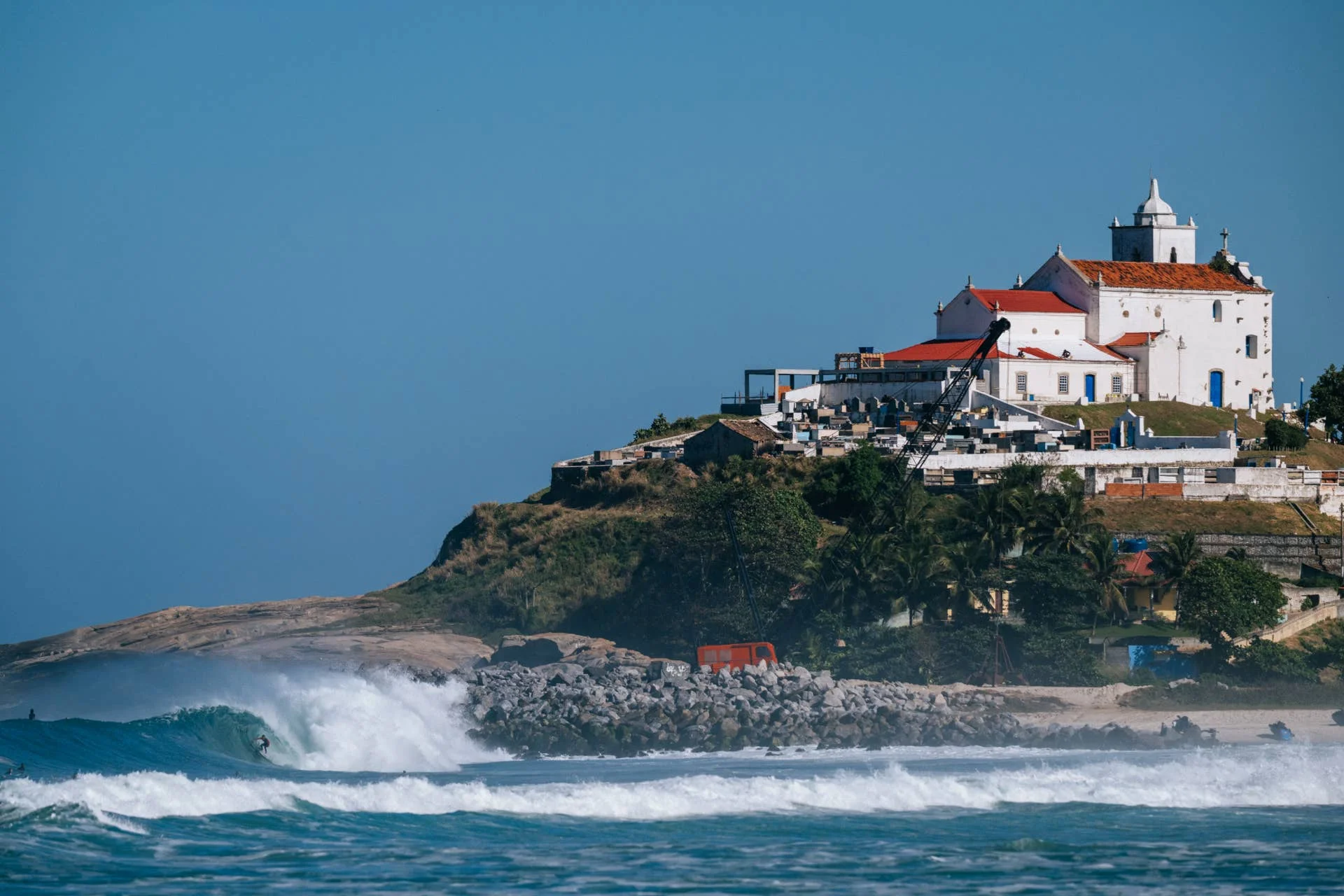
Related: 10 Game-Changing Surf Gear Upgrades for Spring
This global odyssey through surfing points out an essential truth: the best surf is often a mix of collaboration and timing. Surfers willing to adapt to regional conditions can unlock some of the world’s best waves, proving that the ocean's vastness is both a challenge and an opportunity suited for those ready to respond to nature’s whims.